

Blog
Receive advice from our health coaches. Explore our blogs on health goals, vitamins, supplements and personal care.
New

Are you eating less because of a calorie-restricted diet, intermittent fasting or a GLP-1 programme? Discover which nutrients deserve extra attention during weight loss.
Read more
As an employer, you want to encourage a healthy lifestyle among your employees. Nutrition, exercise, balance and protection all play an important role in this. Vitaminstore supports anyone striving for a healthy lifestyle with expert advice. If you’d like to offer this to your employees, the Vitaminstore Healthy Lifestyle Programme is now available for employers. It includes an intake and guidance on making the right choices, including the nutritional supplements that go with them.
Read more
Vitamin D helps maintain strong bones and teeth, supports muscle function and your immune system. But how much do you actually need per day? And when is additional supplementation advisable? In this blog, we guide you step by step.
Read moreMost popular
Read more in advices
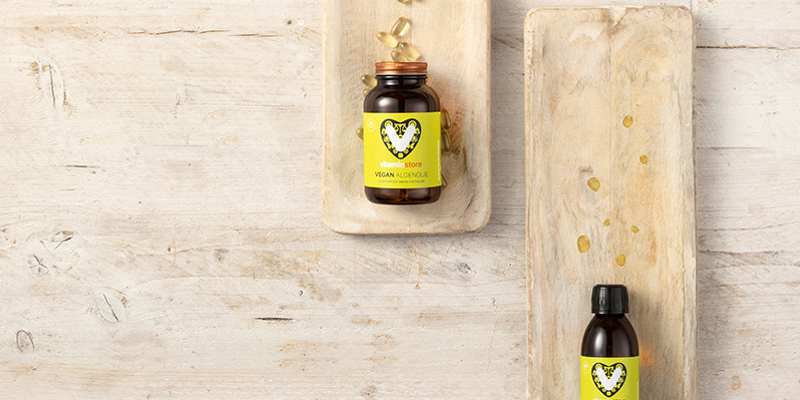
Omega-3 fatty acids are indispensable in a healthy diet and consist of the fatty acids ALA, EPA, and DHA. ALA is found in plant-based foods, while EPA and DHA are found in animal-based foods. Although ALA is present in plant-based foods, it is important for vegetarians or vegans to pay extra attention to their Omega-3 intake and consider supplementing with algal oil. We explain why.
Read more
When a nail splits, the different layers of the nail plate have separated. This can occur due to a lack of moisture and/or nutrients. When the layers are no longer 'glued' together by moisture, they separate, resulting in split nails that are prone to tearing. It's similar to split ends caused by dry hair, where the only remedy is to trim the hair. Although dealing with split nails can be time-consuming, fortunately, there are plenty of measures you can take to prevent split nails in the future.
Read more
Being in love: perhaps the most intense feeling that exists. Butterflies in your stomach, boundless energy, and that delightful euphoric sensation. But also sleepless nights, no appetite, and a restless feeling. Falling in love is a rollercoaster! It may not sound romantic, but the feelings you experience when in love are caused by a chemical process in the body. How does that work exactly?
Read more
Do you consume enough protein every day? This might be a question you've never asked yourself or one that occupies your thoughts daily. Since the rise of the fitness culture, partly driven by social media, much has been written about the importance of proteins. It is a misconception that only athletes need to pay extra attention to their protein intake. Read on to find out why!
Read more
Giving your brain a workout doesn’t happen by itself! A combination of various substances in the brain ensures that this complex organ can function optimally. Oxygen is, of course, indispensable, but nutrients like glucose and messenger substances such as neurotransmitters are also essential. This is just a small selection from a wide range of substances needed for all processes to run smoothly. Besides glucose, there are several other nutrients that contribute to brain function. We’ll tell you exactly which ones here!
Read more
These days, dietary supplements are available everywhere: in supermarkets, online, and even at discount stores. They are becoming increasingly popular, with trendy lifestyle brands often introducing innovative variations. Since all these products contain the 'same' vitamins, it can be tempting to choose a popular brand, the cheapest option, or the most attractive packaging. However, while all products promise the same benefits, there are significant differences in quality. The quality of cheap supplements can sometimes be so low that the nutrients are immediately lost in the body, providing no beneficial effect at all. What a waste!
Read more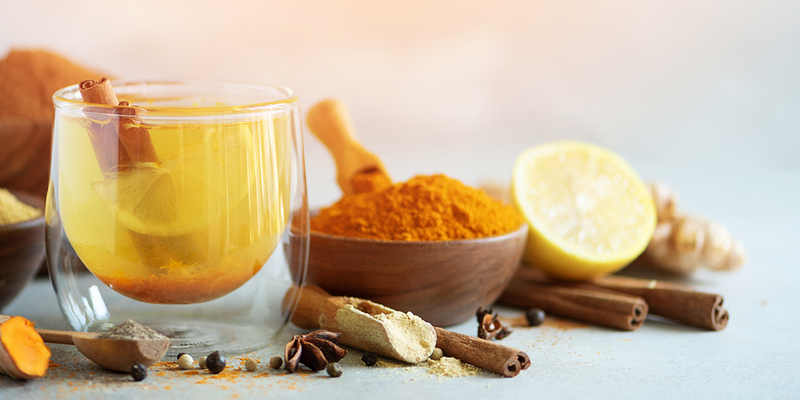
Your liver is an essential organ crucial for your body's functioning, particularly in ensuring effective detoxification. Especially after the indulgence of the festive season and in line with your good intentions, we are keen to share how you can provide extra support to your liver.
Read more
The journey to pregnancy can be more complicated than you might think. Before an egg is successfully fertilised, implants securely, and grows into a healthy baby nine months later, all conditions must be optimal. Often, the absence of pregnancy is wrongly attributed solely to the woman, while fertility issues or the lack of pregnancy can equally be due to the man. To keep things positive, it's beneficial for both of you, if actively trying for a child, to prepare for conception and the subsequent pregnancy. What supplements can both of you take to optimally support fertility?
Read more
Planning a holiday soon? What a delightful prospect! Once you're there, you'll naturally want to make your trip as successful as possible. This starts with good preparation and packing your suitcase. Of course, you'll bring suitable clothing, shoes, and accessories. But something you might not immediately consider is supplements. Yet, they can be an essential part of your holiday! Read on.
Read more
"Finish your plate!" Who hasn't heard this when they were young? Usually, it wasn't about the potatoes with gravy or the tasty piece of meat, but rather the cauliflower, carrots, or Brussels sprouts languishing on the plate. Throughout time, children have refused to eat vegetables, which can be a significant struggle for parents and turn the evening meal into a real battleground. Of course, there are ways to help the little ones eat those oh-so-healthy vegetables. But how!?
Read more
This month marks the start of Stoptober, aimed at helping people break free from their smoking addiction. Vitaminstore is eager to lend a hand by sharing various tips on how to further support your health after quitting smoking.
Read more
We have all burned incense at some point for its delightful aroma. But did you know that incense has more benefits than just smelling good? In this article, we will update you on what incense exactly is, what health benefits it has, and the latest developments in the field of incense dietary supplements.
Read more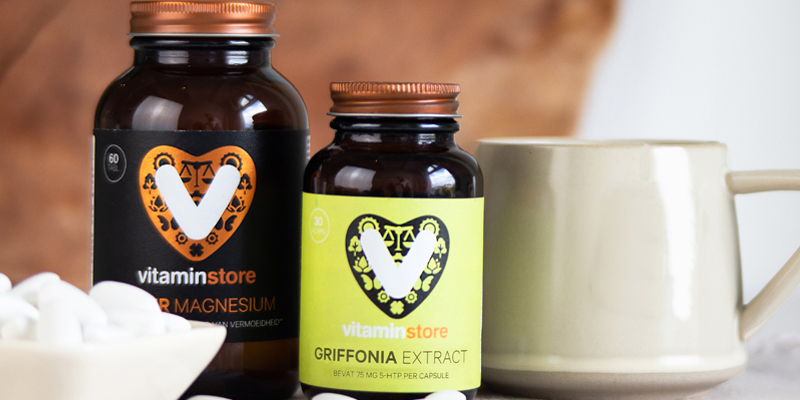
Do you often lie awake at night or find it difficult to fall asleep? You are not alone! Over 25% of Dutch people struggle with sleep. A sleep problem can have various causes, but have you ever considered the impact that nutrition can have on your sleep quality?
Read more
Constipation, whether you call it constipation or blockage, is unpleasant! Approximately 10 to 30% of people in the Netherlands experience it to some extent. Technically, you are considered constipated if you have fewer than three bowel movements per week, but this varies for everyone. If you're accustomed to having two bowel movements a day, missing a day might already indicate constipation. Always listen to your body!
Read more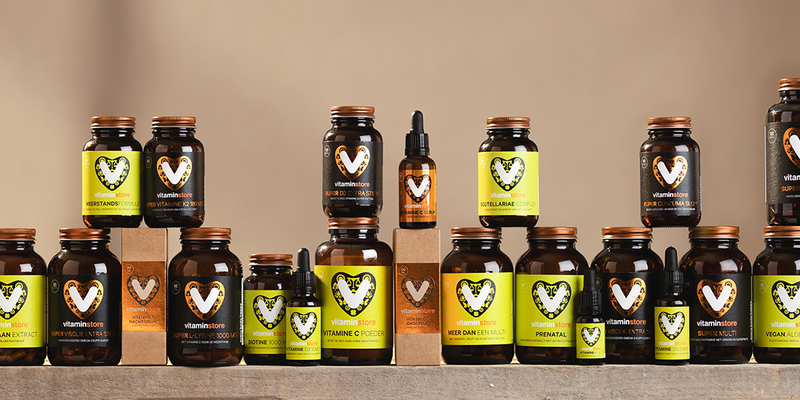
Softgels, capsules, tablets, lozenges, powders, plant-based or animal-derived, the range of supplements is vast. Are you, for instance, vegetarian, vegan, or do you have difficulty swallowing pills? Even then, there are plenty of options. But what is the difference between all these forms, and what are the pros and cons of each supplement? Welcome to the wonderful world of supplements!
Read more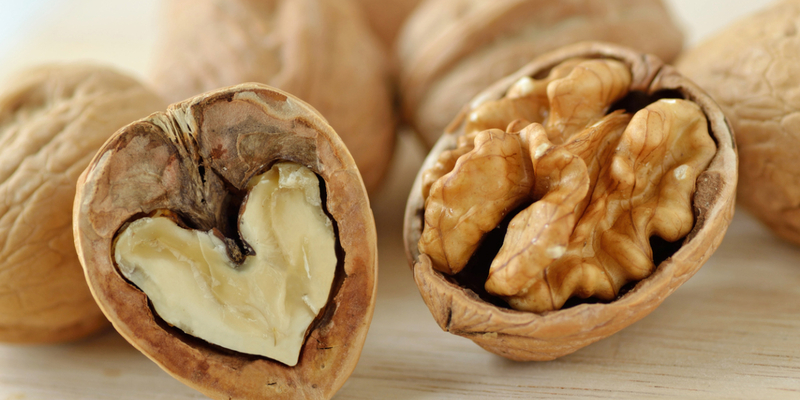
The brain is the most complex organ in our body. For every task we perform, from simple to complex, we rely on this organ. Therefore, it's beneficial to keep training your brain. Fortunately, there are many ways to keep your mind sharp. From simple motor and cognitive exercises to eating healthy foods and taking supplements, read our tips below.
Read more
Polycystic Ovary Syndrome (PCOS) is a common hormonal disorder in women. In PCOS, women produce more androgenic hormones such as testosterone, and the levels of oestrogen and progesterone are reduced. This leads to a hormonal imbalance that manifests in various symptoms.
Read more
Serum, toner, day cream, SPF… there are so many products and steps you can incorporate into your beauty routine. But what is the correct order? Do you apply the serum first or start with your day cream? Generally, products are applied from thin to thick. For your convenience, we've created a step-by-step guide to the ideal order of applying skincare products. Are you ready to follow along?
Read more