What does contraception do to your body?

For many women, contraception is a routine part of life. Whether you take the pill, have a new coil fitted every five or ten years, or use another form of hormonal contraception, it affects our bodies. In this blog, we delve into how different hormones in contraception affect your body.
Want to learn more about the impact of natural hormones on our gut health? Read more here.
What is in hormonal contraception?
Most hormonal contraceptives contain a combination of two hormones: a variant of oestrogen and a variant of progestogen. Each combination can cause different side effects, so here we will briefly discuss what the different hormones entail.
Tip check the packaging of your contraceptive to find out which hormone combination you have.
Oestrogen: referred to in contraceptives as ethinylestradiol or estradiol
What is oestrogen?
Oestrogen helps to inhibit ovulation by suppressing the production of luteinising hormone (LH). It also helps thicken the cervical mucus, making it more difficult for sperm to reach the womb.
Where is oestrogen found?
There are different oestrogen hormones, the most well-known being ethinylestradiol and estradiol. Ethinylestradiol is the most commonly used oestrogen hormone in contraceptives, in combination with a progestogen hormone in, among others, combination pills, patches, and vaginal rings.
Estradiol is the primary natural oestrogen hormone produced in women's bodies. Estradiol is used in some hormonal contraceptives such as patches, rings, and combination pills.
Progestogen: referred to in contraceptives as levonorgestrel, drospirenone, or dienogest
What is progestogen?
Progestogen is a synthetic hormone similar to the naturally occurring hormone progesterone. Progestogen prevents pregnancy by suppressing ovulation and thickening the uterine lining.
Where is progestogen found?
There are different progestogen hormones. In contraception, levonorgestrel, drospirenone, and dienogest are the most well-known. Levonorgestrel is primarily used in emergency contraception like the morning-after pill but is also found in certain combination pills and hormonal coils.
Due to its strong progestogenic effect, dienogest can help suppress ovulation and thicken the uterine lining, reducing the chance of pregnancy. Dienogest is also sometimes used in treating certain menstruation-related conditions, such as endometriosis and heavy menstrual bleeding.
The impact of hormonal contraception on our bodies
We have briefly reviewed the most common hormones in hormonal contraception. Because the pill contains larger amounts of hormones than a hormonal coil, we will discuss the impact of both contraceptives on our bodies below. We will specifically look at the effect on our brain and gut health.
Note: there are many different combinations in terms of quantities and types of hormones in contraception. In the paragraphs below, we have looked at generally known side effects for the most common compositions.
The impact of the contraceptive pill on our bodies
The pill affects as many as 150 bodily functions.¹ So, it does much more than just prevent pregnancy. For example, the contraceptive pill can cause gut dysbiosis, also known as an imbalance in the gut, which makes it harder for nutrients to be absorbed.² The pill also suppresses the function of the thyroid gland.³ Having low thyroid hormone levels can then cause complaints such as constipation, memory, and cognitive problems.⁴
The contraceptive pill depletes the body of important nutrients such as antioxidants, B vitamins, and essential minerals like zinc and selenium.⁵ These nutrients are crucial for neurotransmitters (the 'messenger substances' of our body that transmit signals), hormone balance, the production of thyroid hormone, and regulation of the immune system.⁶
The contraceptive pill can also affect mood, for which progesterone is responsible.⁷ On one hand, this can reduce mood swings, but on the other hand, it can make you feel somewhat flat and experience emotions less intensely.⁷ Ethinylestradiol or estradiol plays a significant role in the production of serotonin and ensures that this is suppressed.⁸ Unfortunately, as serotonin plays a major role in how we feel as the 'happiness hormone'.⁹
The impact of the hormonal coil on our bodies
There are different hormonal coils. The most well-known are the Mirena and Kyleena. The Mirena coil contains only progestogen, and because it is released locally, less hormone enters our bloodstream. Despite a smaller amount of hormones, the Mirena coil can cause potential side effects such as depression, nervousness, and bloating.
The Kyleena coil also contains only one hormone: progestogen. Often in the form of levonorgestrel, just like the Mirena. However, the Kyleena contains less hormone: The Mirena releases 0.020 mg of levonorgestrel (per day) and Kyleena only 0.009 mg. Because it is the same hormone, the potential side effects are the same. As no oestrogen is added to the Mirena and Kyleena coils, it often results in fewer hormonal side effects such as mood swings.
Prevent potential deficiencies
Unfortunately, not enough is known about the specific effect of hormonal contraception on the brain-gut connection. However, we have learned that using hormonal contraception can lead to deficiencies in certain nutrients. Want to make sure you get all the essential vitamins and minerals? Ensure you have enough of the following vitamins and minerals in your diet:
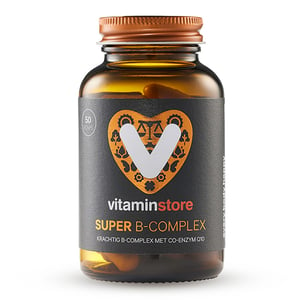
Vitamin B6
Vitamin B is known for activating the body's natural energy. Specifically, vitamin B6 plays an important role in the production of neurotransmitters such as serotonin and GABA.⁸ ¹⁰ You can find vitamin B6 in animal proteins and whole grains.
Vitamin B12
Vitamin B12 plays an important role in the formation of red blood cells and has a beneficial effect on reducing fatigue. You mainly find vitamin B12 in animal products.
Selenium
Selenium is essential for the production of thyroid hormones and contributes to the normal functioning of the thyroid gland. A good source of selenium is Brazil nuts: with two Brazil nuts a day, you already have enough selenium. However, make sure you don't consume too much selenium: limit it to a maximum of 5 Brazil nuts a day.
Zinc
Another important mineral is zinc. Zinc contributes to normal hormonal regulation and helps maintain normal cognitive function. It is good for memory, concentration, and maintaining a clear mind. You can find zinc in oysters, eggs, and seafood.
Sources
- ¹ Broad, systemic effects of the contraceptive pill
- Palmery, M., Saraceno, A., Vaiarelli, A., & Carlomagno, G. (2013). Oral contraceptives and changes in nutritional requirements. European Review for Medical and Pharmacological Sciences, 17(13), 1804–1813.
- Oladapo, A. O., & Adebayo, O. (2016). The nutritional implications of oral contraceptives on women. Pakistan Journal of Nutrition, 15(9), 800–809.
- La Vignera, S., et al. (2020). Effects of oral contraceptives on thyroid function and vice versa. Journal of Endocrinological Investigation.
- ² Gut microbiome / (possible) dysbiosis due to oral contraceptives
- Lai, H. H., et al. (2023). Gut microbiota and oral contraceptive use in women with polycystic ovary syndrome. Nutrients, 16(19), 3382.
- Guthrie, L., et al. (2025). Gut microbiota shifts with lifetime duration of oral contraceptive use. bioRxiv [preprint].
- de Wit, A. E., et al. (2022). Combined oral contraceptives and mental health: Are adolescence and the pill a risky combination? (including discussion of brain-gut axis and microbiome). Journal of Affective Disorders Reports.
- ³ Influence of the pill on thyroid function
- La Vignera, S., et al. (2020). Effects of oral contraceptives on thyroid function and vice versa. Journal of Endocrinological Investigation.
- Kumari, S., & colleagues. (2024). Effects of oral contraceptive pills on menstrual pattern and thyroid hormone levels: A review. International Journal of Formal Medical Research.
- Abdullahi, N. (2024). The link between long-term oral contraceptive use and thyroid disorders. University of Washington, thesis.
- ⁴ Complaints with low thyroid hormone (constipation, memory/cognition)
- Thuisarts.nl. (n.d.). My thyroid works too slowly. Dutch College of General Practitioners.
- SchildklierNL. (2025, June 6). Complaints with a slow thyroid (hypothyroidism).
- Maastricht UMC+. (n.d.). Slow-acting thyroid – complaints and information. Department of Endocrinology.
- ⁵ Nutrient depletion (antioxidants, B vitamins, zinc, selenium) by the pill
- Gravina, A., et al. (2011). A review of the effects of oral contraceptives on nutrient status, with particular reference to folate in the UK. Nutrition Research Reviews, 24(1), 1–18.
- Palmery, M., Saraceno, A., Vaiarelli, A., & Carlomagno, G. (2013). Oral contraceptives and changes in nutritional requirements. European Review for Medical and Pharmacological Sciences, 17(13), 1804–1813.
- Miller, L., & Hughes, J. P. (2011). Oral contraceptive use: Impact on folate, vitamin B6, and vitamin B12 status. Nutrition Reviews, 69(10), 572–583.
- Oladapo, A. O., & Adebayo, O. (2016). The nutritional implications of oral contraceptives on women. Pakistan Journal of Nutrition, 15(9), 800–809.
- NPN. (2019). Nutrient status with contraceptive pill (combination pill). Dutch trade association NPN.
- BIOK Center. (n.d.). Five nutrient deficiencies due to the contraceptive pill.
- ⁶ Role of B vitamins, zinc, and selenium in neurotransmitters, hormones, thyroid, and immune system
- Stichting Orthokennis. (n.d.). Vitamin B6. In: Nutrient monographs. Describes role in the formation of neurotransmitters such as serotonin.
- Stichting Orthokennis. (n.d.). Zinc. Monograph on the role of zinc in enzyme activity, gene expression, immune function, and hormonal regulation.
- Stichting Orthokennis. (n.d.). B vitamins: the essential role in our metabolism.
- ⁷ Mood, progesterone/progestogens, and hormonal contraception
- Skovlund, C. W., et al. (2025). Use of systemic hormonal contraception and risk of depression: A nationwide register-based case-control study. European Journal of Epidemiology.
- de Wit, A. E., et al. (2022). Hormonal contraceptive use and depressive symptoms: Systematic review and network meta-analysis of randomised trials. BJPsych Open, 8(5), e148.
- Poromaa, I. S., & Segebladh, B. (2024). Effects of hormonal contraception on mood and sexuality. Best Practice & Research Clinical Obstetrics & Gynaecology.
- Abbas, A. M., et al. (2023). Symptoms of mental disorders and oral contraception use: A systematic review and meta-analysis. Contraception.
- BMC Pregnancy and Childbirth. (2023). Assessing the impact of contraceptive use on mental health among women: A systematic review.
- Apotheek.nl. (n.d.). Contraceptive pill – side effects (including mood changes). Royal Dutch Society for the Promotion of Pharmacy.
- ⁸ Ethinylestradiol / estradiol, tryptophan/serotonin metabolism, and vitamin B6
- Farmacotherapeutisch Kompas. (n.d.). Pyridoxine (vitamin B6). Describes that high oestrogen levels (e.g., due to oral contraceptives) can change pyridoxine-dependent tryptophan metabolism.
- Hwang, J., et al. (2024). The impact of estradiol on serotonin, glutamate, and dopamine systems. Frontiers in Neuroscience, 18, 1348551.
- Biegon, A., & McEwen, B. S. (2001). Modulation of serotonin by estradiol: Implications for mood regulation. In Estrogen–serotonin interactions: Implications for affective regulation. Biological Psychiatry, 44(9), 839–850.
- Shu, Y., et al. (2025). Tryptophan and its metabolite serotonin impact metabolic and mental health: The role of sex steroid hormones. Cells, 14(5), 384.
- ⁹ Serotonin and mood / "happiness hormone"
- Shu, Y., et al. (2025). Decoding serotonin: The molecular symphony behind depression. Frontiers in Cellular Neuroscience, 19, 1572462.
- Siddiqui, A., & colleagues. (2023). A review on neurotransmitters: Dopamine & serotonin. Journal of Neuroscience Research. (online first).
- ¹⁰ Vitamin B6, serotonin, and GABA production
- Lumen Learning. (n.d.). Vitamin B6 functions. In: Nutrition Flexbook. Describes that pyridoxal-5-phosphate (PLP) is a cofactor for decarboxylase enzymes that synthesise serotonin and GABA.
- Miller, A. L. (2008). The methylation, neurotransmitter, and antioxidant connections between folate and depression. (Section on vitamin B6 as a cofactor for neurotransmitters). Alternative Medicine Review, 13(3), 216–226.*
- Pyridoxine – an overview. (n.d.). In ScienceDirect Topics. Describes that vitamin B6 (PLP) is a co-enzyme in >100 enzymatic reactions, including amino acid metabolism and synthesis of neurotransmitters such as serotonin and GABA.
- Stichting Orthokennis. (n.d.). Vitamin B6. Mentions role in the formation of neurotransmitters such as serotonin.