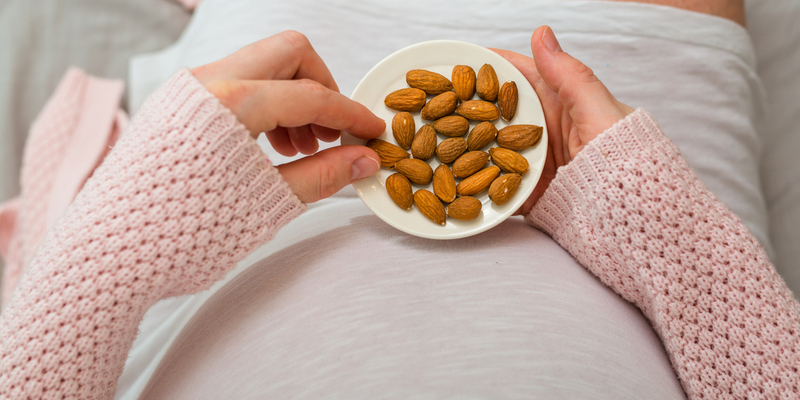
Hormones and the gut: what does the science say?
You may notice that you feel different than usual, for example due to fluctuating energy levels or a sense of being on edge. A great deal of research is being done into the interaction between the gut, the brain and hormonal processes. In this blog, we explain which mechanisms scientists are studying and which dietary choices fit within a healthy eating pattern.
Hormones and our gut
There are several types of hormones that are produced or regulated in our gut. Below, we briefly discuss neurotransmitters, HPA hormones and oestrogen.
Neurotransmitters
Neurotransmitters are the body’s ‘messenger chemicals’ and send signals such as when we are tired or hungry. Dopamine, for example, is a neurotransmitter involved in motivation and other emotional responses. Serotonin is linked to appetite, emotions and cognitive functions, and it is the precursor to melatonin, which regulates our sleep–wake cycle. Noradrenaline (or norepinephrine) is involved in the body’s stress response. Finally, GABA, which stands for gamma-aminobutyric acid. GABA is involved in signal transmission in the nervous system and in calming (inhibiting) nervous system activity.
Oestrogen
Oestrogen is an important female sex hormone and is also found in most hormonal contraception. The oestrobolome is the name given to gut bacteria that may be involved in the processing (metabolism) of oestrogen. Researchers are studying how the composition and activity of the oestrobolome may be linked to oestrogen metabolism. There are not yet any conclusions that can be translated into firm health statements at an individual level. Researchers are also exploring links between the microbiome and immune system processes, but this research is complex and still very much evolving (source).
HPA hormones
There is two-way communication between the gut and the brain via the HPA axis system. In research into conditions such as IBS, the relationship between stress and gut symptoms is often examined. That relationship can differ from person to person.
The HPA axis system regulates our response to stress. It starts in the hypothalamus in the brain, which produces a hormone called CRH. CRH sends a signal to the pituitary gland, a gland in the brain. The pituitary then releases a hormone called ACTH. ACTH travels to the adrenal glands, small glands located on top of the kidneys. There, it stimulates the release of cortisol, a hormone that helps the body cope with stress. Prolonged stress can affect this mechanism and may be noticeable in how you feel and function. Understanding the HPA axis system helps us to understand how our body responds to stress and how it can influence our health.
Hormones and nutrition
What can you eat to support your hormones and/or gut? Make sure your eating pattern includes enough foods containing the following nutrients:
Zinc
Zinc contributes to normal hormonal balance. You can find zinc in foods such as red meat, fish, poultry, pulses, nuts and seeds.
Fibre
Specific fibres, such as rye fibre and oat grain fibre, support normal bowel function and help stimulate regular bowel movements. A fibre-rich diet fits within general guidelines for a healthy eating pattern. Many people benefit from adequate fibre for the day-to-day functioning of digestion.
Vitamin B6
Vitamin B6 helps regulate hormonal activity. Whole grains, pulses, green leafy vegetables and dairy products are rich in B vitamins.