

Vitamins & Supplements
New
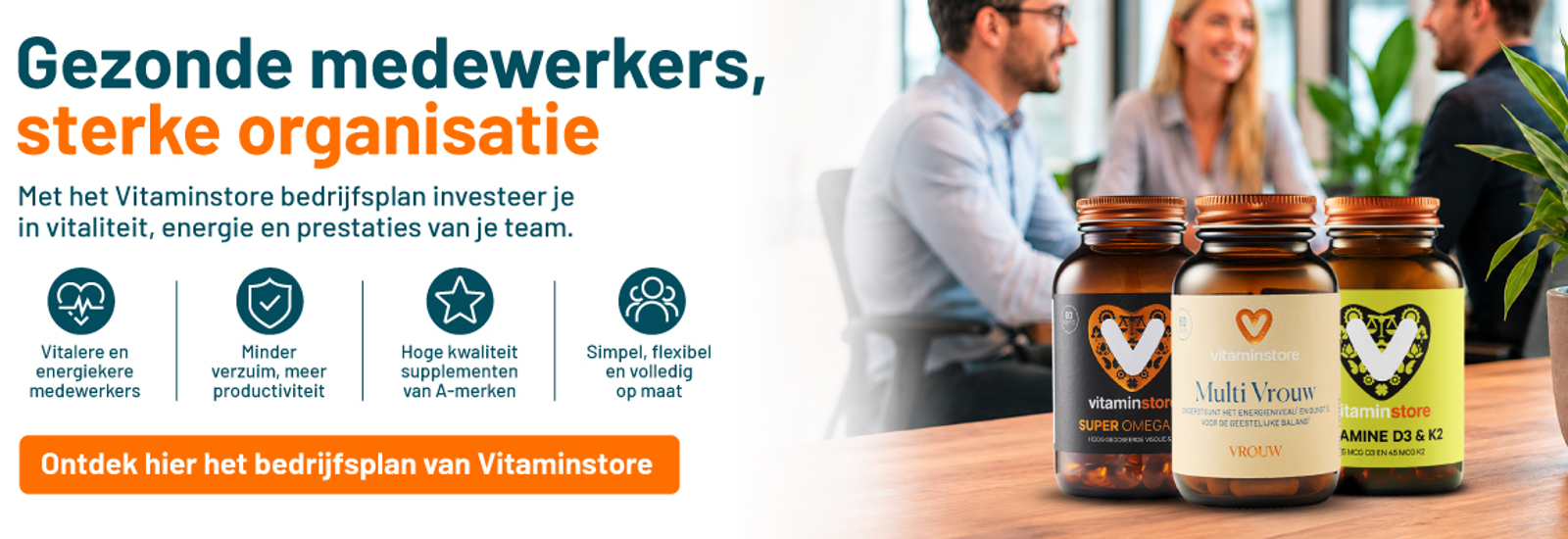
As an employer, you want to encourage a healthy lifestyle among your employees. Nutrition, exercise, balance and protection all play an important role in this. Vitaminstore supports anyone striving for a healthy lifestyle with expert advice. If you’d like to offer this to your employees, the Vitaminstore Healthy Lifestyle Programme is now available for employers. It includes an intake and guidance on making the right choices, including the nutritional supplements that go with them.
Read more
Vitamin D helps maintain strong bones and teeth, supports muscle function and your immune system. But how much do you actually need per day? And when is additional supplementation advisable? In this blog, we guide you step by step.
Read more
Berberine: you may have heard of it. It is a bright yellow compound naturally found in several unique plants. But what makes this substance so intriguing? In this blog, we will tell you everything you need to know about berberine. From its origins and mechanism of action to its benefits and safety. This way, you will know exactly whether berberine fits into your health routine.
Read moreMost popular

Everything in Vitamins & Supplements

Vitamin C: perhaps the most well-known vitamin there is. This essential nutrient plays a crucial role in our body. Are you curious about this impressive and important vitamin? Then keep reading. We will tell you everything about Vitamin C, from its various benefits to recommended daily amounts and much more. Discover how Vitamin C can contribute to your health!
Read more
Do you often feel tired or notice that your concentration is not at its best? It might be time to examine your vitamin B12 intake. This essential vitamin plays a crucial role in many bodily functions. Read on to learn all about vitamin B12.
Read more
Vitamin B: the energy booster that plays a crucial role in the proper functioning of our body. Whether you're an athlete, student, mother, father, or businesswoman, vitamin B is important for everyone. Read on to discover the role vitamin B plays in your health, from your brain to your muscles and more.
Read more
Do you ever wonder if you're getting all the essential nutrients you need? You're not alone! Multivitamins can play an interesting role in this regard. Discover what a multivitamin is, what it contains, and how they can be a good addition to your daily diet.
Read more
Have you ever come across the term 'folic acid' and wondered what it actually is? Or perhaps you're pregnant and have heard that folic acid is crucial for your baby's development? Read on to discover the benefits of folic acid for both babies and adults.
Read more
When we talk about the beauty vitamin, we naturally mean biotin. This is not without reason, as biotin is beneficial for various physical attributes such as our skin and hair. Read on to discover how this vitamin can support your body. From hair and skin to your energy levels, biotin is important.
Read more
Do you sometimes feel tired, or feel you need extra support for flexible, supple muscles? Then magnesium might be the missing piece of the puzzle. Here you’ll discover everything you want to know about magnesium. We’ll explain what it is, what it’s good for, and which foods contain it.
Read more
Would you like to know how to protect your body cells from oxidative damage? Then you're in the right place. Vitamin E plays a crucial role in this process. In this article, we will tell you everything you need to know about Vitamin E, from its different forms to various sources and health benefits.
Read more
Our gut is in close contact with our brain, also known as the gut–brain connection. The health of your gut appears to be closely linked to both your physical and mental wellbeing. Did you know that a large proportion of serotonin — a substance involved in your mood — is produced in the gut? In this blog, we’ll take you through the remarkable interaction between your brain and your gut.
Read more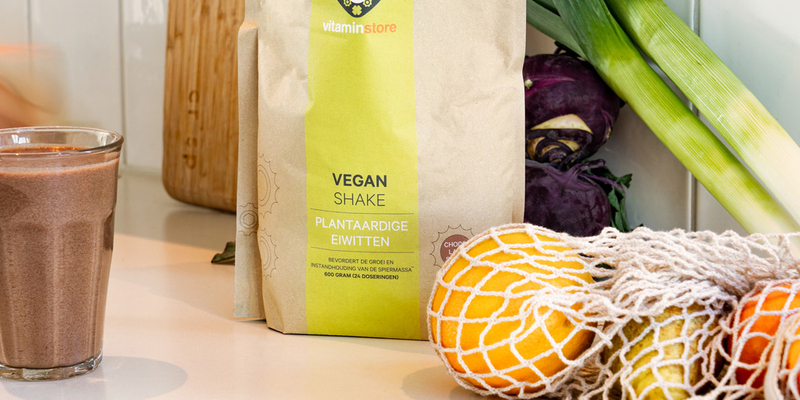
Proteins are essential nutrients and, together with fats and carbohydrates, form the macronutrients. The importance of proteins is well-known, especially among athletes: their dietary focus is on consuming enough protein to promote muscle growth. But how much protein do we actually need, and is it possible to consume too much? In this blog, we've explored the effect of proteins on your gut health and how you can increase your protein intake if you're currently not getting enough.
Read more
Vitaminstore is celebrating its anniversary! For 25 years, Vitaminstore has been the specialist in the highest-quality vitamins and the very best personal advice. While health trends have been coming at us from all sides for years, Vitaminstore’s ultimate goal has never changed: helping customers live longer and healthier lives. After 25 years, we look back—and also look ahead to how personal advice and innovative products can support health goals in the future.
Read more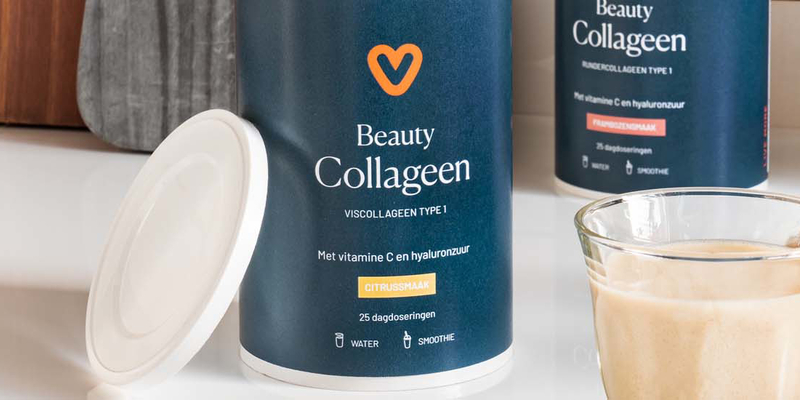
Collagen is responsible for the skin's elasticity and firmness, something we want to maintain for as long as possible. Our skin consists of 70% collagen. The natural production of collagen decreases from the age of 25. Is this the age to start taking a collagen supplement, or is it necessary later on? We provide the answer.
Read more
Collagen is one of the most essential substances for firm, elastic skin, strong hair, and healthy nails. After the age of 25, the natural production of collagen decreases, which you can supplement with a dietary supplement. A collagen supplement can be integrated into your daily routine in numerous ways. We have selected a few options for you.
Read more
Eating meat is not as beneficial for you as previously thought. It's no surprise that we've significantly reduced our consumption: since 2010, we've eaten 21% less red and processed meat (RIVM). While too much meat is not good for you, it does contain essential nutrients that you miss out on when eating vegetarian. In this blog, we delve deeper into what these essential nutrients are and explain how you can replace them with vegetarian alternatives.
Read more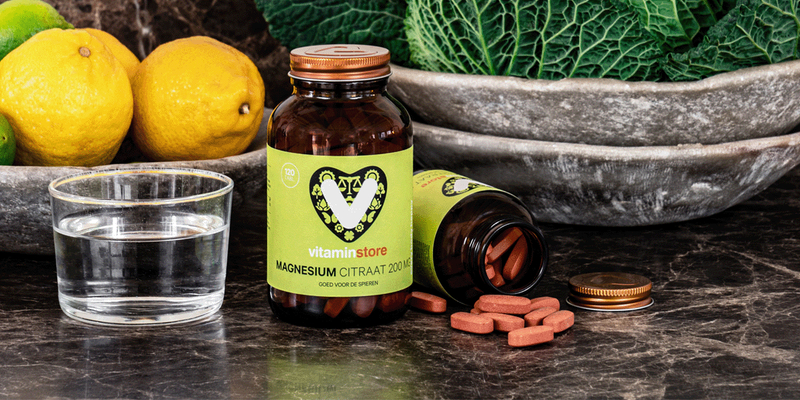
There are many different types of magnesium, some of which are more easily absorbed than others. In this blog, we will delve into the various highly absorbable forms of magnesium: citrate, bisglycinate, taurate, and malate.
Read more
Health is a broad concept and its meaning varies for everyone. Not sure where to start? Discover which vitamins, minerals, herbs, and proteins are right for you. Simply take one of our supplement tests! These tests are designed in collaboration with our orthomolecularly trained Health Coaches and consider your personal characteristics, lifestyle, goals, and preferences.
Read more
Omega-3 fatty acids are indispensable in a healthy diet and consist of the fatty acids ALA, EPA, and DHA. ALA is found in plant-based foods, while EPA and DHA are found in animal-based foods. Although ALA is present in plant-based foods, it is important for vegetarians or vegans to pay extra attention to their Omega-3 intake and consider supplementing with algal oil. We explain why.
Read more
Do you consume enough protein every day? This might be a question you've never asked yourself or one that occupies your thoughts daily. Since the rise of the fitness culture, partly driven by social media, much has been written about the importance of proteins. It is a misconception that only athletes need to pay extra attention to their protein intake. Read on to find out why!
Read more