Vitamin D deficiency: how to recognise the symptoms

Vitamin D is important for our body. But what happens if we don’t get enough of it? Read everything about vitamin D deficiency.
The sun on your skin—it’s a wonderful feeling, especially after a spell of gloomy weather. As well as feeling good, we also need sunlight to produce vitamin D. Vitamin D, also known as the ‘sunshine vitamin’, plays an important role in our body. Even though our body can make this vitamin itself under the influence of sunlight, many people worldwide still have a deficiency. This is partly because these days we spend a lot of time indoors, especially during the winter months.
In this blog, we explain everything about vitamin D. We discuss what this vitamin is good for, what the symptoms of a deficiency are, and how you can top up your levels. We’ll also share practical tips to help you make enough vitamin D, so your body can function properly.
What is vitamin D good for?
Vitamin D plays an important role in your health. For example, the sunshine vitamin contributes to the absorption of calcium and phosphorus from food and increases the uptake of calcium into the bones. Calcium and phosphorus are both important for maintaining strong bones.
In addition, vitamin D has a positive effect on the immune system and therefore helps support good resistance. The vitamin is good for the muscles and supports normal muscle function, and it even helps to keep teeth strong.
Did you know that vitamin D receptors are present in many cells and tissues in the body? This indicates that this vitamin has a wide range of biological functions.
Read more about the different forms of vitamin D and their absorption.
Do you need extra vitamin D?
Whether you need extra vitamin D depends on several factors. Certain groups—such as babies and older adults—are more likely to need additional vitamin D. As you get older, your skin produces vitamin D less efficiently. The kidneys, which convert vitamin D into its active form, may also work less effectively. You may also need extra vitamin D if you:
- Eat a vegan or vegetarian diet
- Spend little time outdoors during the day. Your body produces vitamin D when your skin is exposed to sunlight. People who spend a lot of time indoors or live at northern latitudes often don’t get enough sunlight.
- Have a darker skin tone
- Wear skin-covering clothing
- Eat an unhealthy diet
- Drink a lot of alcohol
- Follow a special low-fat diet
Other causes of vitamin D deficiency
There are several causes of vitamin D deficiency:
- Diet: Although vitamin D is found in some foods, such as oily fish and fortified dairy products, a diet low in these sources can contribute to a deficiency.
- Health conditions: Certain conditions such as coeliac disease and Crohn’s disease can make it harder to absorb vitamin D from food.
Using certain medicines, such as anti-epileptic drugs and glucocorticoids, can also lower vitamin D levels.
The symptoms of vitamin D deficiency
As described earlier, vitamin D is important for many processes in our body. A vitamin D deficiency can therefore show up in different ways. Common vitamin D deficiency symptoms affect our:
- Bones and joints. You may experience bone pain and your risk of breaking a bone increases.
- Muscles. Weak muscles and muscle cramps can also be a sign of vitamin D deficiency. It can even lead to muscle weakness, making everyday activities more difficult.
- Immune system. Low resistance may indicate a vitamin D deficiency, as vitamin D supports the immune system.
- Teeth. A vitamin D deficiency can also affect your teeth. Vitamin D contributes to the maintenance of strong teeth.
How much vitamin D do you need per day?
The amount of vitamin D you need depends on several factors, including your age, skin tone, and how much sunlight you’re exposed to.
In general, the following daily intake is recommended:
- Babies up to 1 year: 10 micrograms (400 IU). Read more here about vitamin D and K for babies.
- Children aged 1 to 18 years: 10 micrograms (400 IU)
- Adults up to 70 years: 10 micrograms (400 IU)
- Adults over 70 years: 20 micrograms (800 IU)
- Pregnant and breastfeeding women: 10 micrograms (400 IU)
It’s important to know that the upper limit for a safe intake of vitamin D is 100 micrograms (4,000 IU) per day for adults. Around 10–15 minutes of exposure to the midday summer sun may be enough for people with fair skin to produce up to 10,000 IU of vitamin D.
Topping up a vitamin D deficiency
Do you have—or think you may have—a vitamin D deficiency? Here are a few ways to bring your vitamin D levels back up:
- Sunlight: Try to get 10–30 minutes of sunlight on your skin each day, depending on your skin type and the strength of the sun. Don’t forget to apply sunscreen afterwards to protect your skin from UV damage.
- Diet: Add more vitamin D-rich foods to your diet. Think oily fish (such as salmon and mackerel), cod liver oil, egg yolks, and fortified foods such as milk and breakfast cereals.
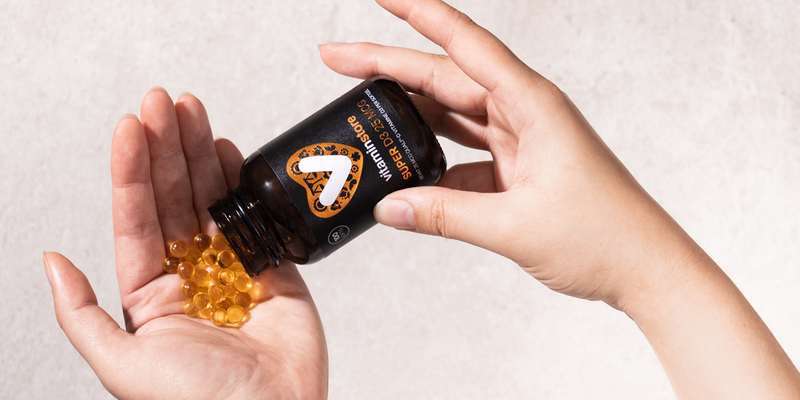
- Supplements: Consider taking a vitamin D supplement, especially during the winter months or if you spend a lot of time indoors. Consult a doctor or nutrition professional about the right dosage.
Blood tests can help monitor your vitamin D levels and allow you to adjust your intake if needed. A healthy lifestyle includes enough exercise, a balanced diet, and regular exposure to sunlight.
Testing for vitamin D deficiency
Want to be sure whether you need extra vitamin D? Then you may consider taking a vitamin D test. This will show you what your vitamin D levels are. Vitamin D status in the body is usually measured by the amount of 25-hydroxyvitamin D in the blood. What counts as a sufficient vitamin D level depends on several factors and is best assessed by an expert.
Good to know
Vitamin D deficiency is common, especially in countries with less sunlight. Do you recognise symptoms of a deficiency, such as fatigue, muscle complaints, or mood swings? Consider increasing your vitamin D intake through more sunlight, an adjusted diet, and supplements if needed. Want more advice? Our Health Coaches are ready to help with tips and personalised advice.
Sources
- Amrein, K., Scherkl, M., Hoffmann, M., Neuwersch-Sommeregger, S., Köstenberger, M., Tmava Berisha, A., ... & Malle, O. (2020). Vitamin D deficiency 2.0: an update on the current status worldwide. European journal of clinical nutrition, 74(11), 1498-1513.
- Wang, Y., Zhu, J., & DeLuca, H. F. (2012). Where is the vitamin D receptor?. Archives of biochemistry and biophysics, 523(1), 123-133.
- Saraf, R., Morton, S. M., Camargo Jr, C. A., & Grant, C. C. (2016). Global summary of maternal and newborn vitamin D status–a systematic review. Maternal & child nutrition, 12(4), 647-668.
- Annweiler, C., Dursun, E., Féron, F., Gezen‐Ak, D., Kalueff, A. V., Littlejohns, T., ... & Beauchet, O. (2015). ‘Vitamin D and cognition in older adults’: updated international recommendations. Journal of internal medicine, 277(1), 45-57.
- Weikert, C., Trefflich, I., Menzel, J., Obeid, R., Longree, A., Dierkes, J., ... & Abraham, K. (2020). Vitamin and mineral status in a vegan diet. Deutsches Ärzteblatt International, 117(35-36), 575.
- Hanel, A., & Carlberg, C. (2020). Skin colour and vitamin D: An update. Experimental Dermatology, 29(9), 864-875.
- Tardelli, V. S., do Lago, M. P. P., da Silveira, D. X., & Fidalgo, T. M. (2017). Vitamin D and alcohol: A review of the current literature. Psychiatry Research, 248, 83-86.
- Kennel, K. A., Drake, M. T., & Hurley, D. L. (2010, August). Vitamin D deficiency in adults: when to test and how to treat. In mayo clinic proceedings (Vol. 85, No. 8, pp. 752-758). Elsevier.
- Gezondheidsraad. (2012, 26 september). Evaluatie van de voedingsnormen voor vitamine D. https://www.gezondheidsraad.nl/documenten/2012/09/26/evaluatie-van-de-voedingsnormen-voor-vitamine-d
- Altieri, B., Cavalier, E., Bhattoa, H. P., Perez-Lopez, F. R., Lopez-Baena, M. T., Perez-Roncero, G. R., ... & Holick, M. F. (2020). Vitamin D testing: advantages and limits of the current assays. European journal of clinical nutrition, 74(2), 231-247.