Pregnant? Why omega-3 is important during pregnancy

Being pregnant is like elite sport, and chances are you want to give your body only the very best and you’re extra critical about what you take in. Good for you! There’s a mini-you growing inside you, and your body could use some extra support for that. One of those important extras is omega-3. In this blog, we explain why these fatty acids matter and which supplement we recommend for this: the Zwanger Omega.
What is omega-3?
Omega-3 fatty acids are a family of polyunsaturated fatty acids with a so-called long chain, including DHA (docosahexaenoic acid), EPA (eicosapentaenoic acid) and ALA (alpha-linolenic acid). They belong to the family of ‘good fats’. They are essential for our body because our body cannot produce its own omega-3 fatty acids. So it’s important that we get enough of these fatty acids through our diet, or top up with a (vegan) omega-3 supplement. We mainly find ALA in plant sources, and our body can partially convert both ALA and EPA into EPA and DHA. Unfortunately, this conversion process isn’t very efficient, which is why getting enough “ready-made” EPA and DHA is preferable.
Eating fish during pregnancy – which types are OK and which aren’t?
Fish is the richest source of omega-3 fish oil. Cold-water fish such as salmon and herring, in particular, contain a lot of it. Still, eating fish during pregnancy is ‘a bit of a thing’ for many women. Because which fish can you eat and which should you avoid?
If there’s one thing we’re vigilant about during pregnancy, it’s the quality of the food we eat. With certain types of fish, shellfish and seafood, the amounts of toxins such as mercury, dioxins and PFAS are a particular concern.
Pregnant women are therefore advised not to eat swordfish, mackerel, eel, sardines, tuna, crab or prawns, because high levels of these toxins have been found particularly in these species. No worries: fatty fish such as salmon, trout and herring, and lean fish such as hake, plaice, haddock, sole and whiting can be eaten weekly without any problem — as long as they’re thoroughly cooked.
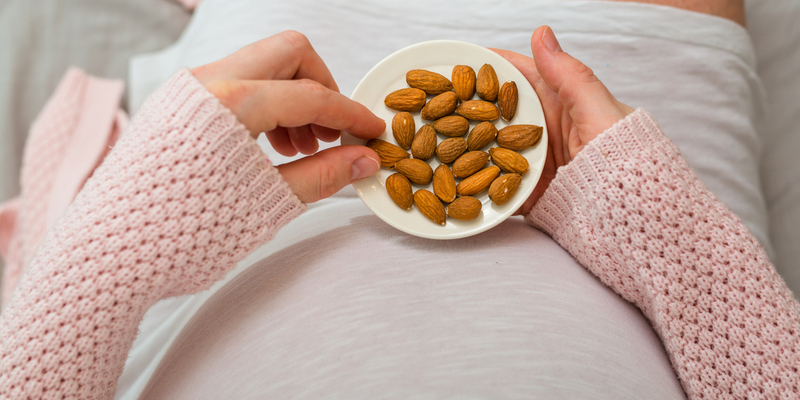
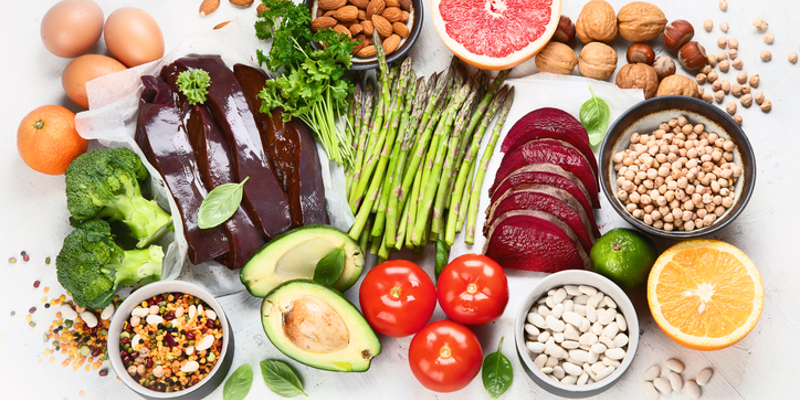
Did you know omega-3 isn’t only found in fish? You’ll also find these fatty acids in nuts and seeds such as hemp seeds, linseeds, chia seeds and walnuts, cold-pressed linseed oil, and organic grass-fed meat and free-range eggs.
Safety first: cook thoroughly
Apart from any harmful substances in fish and seafood, the way you prepare it also matters. When you’re pregnant, it’s best to avoid smoked or raw fish because it can carry bacteria that may be harmful to the baby, such as listeria. Although the risk of infection is very small, you’ll naturally want to be on the safe side. The good news is that listeria doesn’t survive high temperatures above 75 °C. So if you’d like to include smoked salmon in your meal, make sure you heat it thoroughly.
Fish oil & pregnancy – why is it important?
In recent years, research has shown that EPA and DHA have important functions in our body and are also very important for the growth and development of your (unborn) baby.
For you as a mummy (to be), omega-3 is, for example, good for your heart, your eyesight (DHA) and your brain (DHA)* (hello pregnancy brain). During pregnancy and breastfeeding, the DHA you take in as a mother also serves as an important building block for your baby and contributes to the normal development of the brain and eyes.*
This is how much omega-3 is recommended during pregnancy
The Health Council recommends the following daily amount of omega-3:
- Pregnant women and women who are breastfeeding:
350–450 mg EPA and DHA per day - Adults:
250 mg EPA and DHA per day - Children (7–24 months):
100 mg DHA per day - Children (2–18 years):
250 mg EPA and DHA per day
Omega-3 during pregnancy – what should you look out for?
During pregnancy, getting enough omega-3 fatty acids is therefore extremely important — not only for your own health, but also for that of your growing baby. And as a mummy-to-be, of course you want nothing but the very best for both of you. To get enough omega-3 while pregnant, the advice is to eat fish at least twice a week: once oily fish, once lean fish.