All about resveratrol
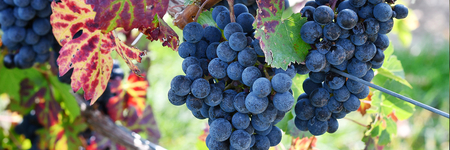
Resveratrol is a plant compound found mainly in the skin of blue grapes. It belongs to the polyphenol group and is also present in other plant-based foods. Curious about what resveratrol actually is, where you can find it, and why there is so much interest in it? Read on to learn more about resveratrol.
What is resveratrol?
Resveratrol is a naturally occurring polyphenol found, among other places, in the skin of blue grapes. It is also present in foods such as berries and in Japanese knotweed, a plant traditionally used in Asia.
Resveratrol is often mentioned in connection with antioxidants and various processes in the body. For example, resveratrol contributes to the protection of healthy cells and tissues* and supports the condition of blood vessels* and the heart*.
* Health claims pending approval by the European Commission.
Did you know that resveratrol is often associated with red wine? This is due to the presence of resveratrol in grape skins. However, drinking alcohol also has drawbacks, so moderation remains important.
Forms of resveratrol
Resveratrol exists in two forms: the cis and the trans form. Studies show that only the trans form is absorbed by the body. Under the influence of UV light, trans-resveratrol can be converted into the ineffective cis-resveratrol. That is why resveratrol supplements are stored in a dark container to protect the products from ultraviolet light.
Sources of resveratrol
Resveratrol can be found in various foods:
- Blue grapes (especially the skin)
- Red wine
- Japanese knotweed
- Blueberries
- Cranberries
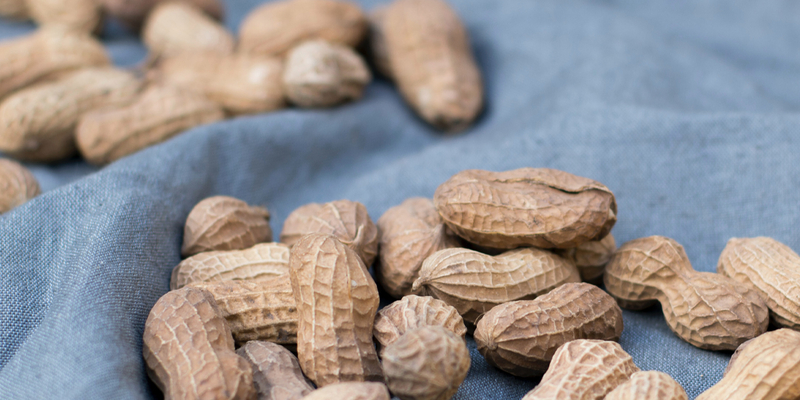
- Peanuts
- Tomatoes
- Olives
What does resveratrol do?
Resveratrol contributes to the protection of healthy cells and tissues* and is often mentioned in connection with antioxidants. Want to know more? Discover all about antioxidants.
* Health claims pending approval by the European Commission.
Health effects of resveratrol:
- Resveratrol contributes to the protection of healthy cells and tissues*
- Resveratrol supports the heart*
- Resveratrol is important for maintaining healthy blood vessels*
* Health claims pending approval by the European Commission.
Can I take resveratrol supplements during pregnancy?
The use of resveratrol supplements during pregnancy and breastfeeding is not widely recommended, due to the lack of extensive studies in this area. Always consult your treating doctor before using supplements during pregnancy or while breastfeeding.
Buying resveratrol: what to look out for
Anyone looking to buy resveratrol would do well to pay attention to a few things. The quality of a resveratrol supplement depends, among other factors, on the form of resveratrol, the dosage, and any additional ingredients.
Resveratrol occurs in two forms: cis and trans. Trans-resveratrol is particularly important, because this form is best absorbed by the body. Therefore, check the product information to see whether this is clearly stated. If it is not stated, you can often assume it is a less well-absorbed form. You can also look for quality marks/certifications, so you can be confident that what you are buying has been properly researched and meets strict quality standards.
Dosage also varies by supplement. Some products contain a low dose suitable for daily use, while others contain a higher dose for temporary extra support. This is also something to weigh up against the price before buying a resveratrol supplement: sometimes a product seems more expensive, but because of the dosage (for example, 1 capsule per day instead of 2) it can work out cheaper overall.
Finally
Resveratrol is a polyphenol found in various plant-based foods and is often mentioned in connection with antioxidants. For example, resveratrol contributes to the protection of healthy cells and tissues*. Including a varied diet, such as vegetables and fruit, fits within a balanced eating pattern. Considering using supplements? Discuss it with a qualified professional. At Vitaminstore, we are ready to provide you with personalised advice.
* Health claims pending approval by the European Commission.
Sources
- Information Centre for Food Supplements & Health (IVG)
- Nature and Health Products Netherlands (NPN)
- European Food Safety Authority (EFSA)