All about selenium

Selenium is a trace element and plays a crucial role in your health. From your hair and nails to your immune system and thyroid, selenium is a quiet force in your body. Read on to discover everything about this essential mineral.
Selenium is an essential trace element involved in various processes in the body. Read on to discover everything about this essential mineral.
What is selenium?
Selenium, also known as seleen, is an essential trace element. This means our body needs it, but cannot produce it itself. We therefore have to obtain selenium from our diet. Selenium is known for its antioxidant properties; it helps protect cells against oxidative stress. In other words, it helps neutralise harmful free radicals and thereby protects your cells.
What are the different forms of selenium?
Selenium comes in different forms: inorganic and organic. Each form has its own characteristics and is absorbed by the body in a different way. The inorganic forms of selenium are selenite and selenate. The organic forms are selenomethionine and selenocysteine. These organic forms are most commonly found in foods and are better absorbed by our bodies than the inorganic forms.
Did you know... our bodies absorb, on average, 70% of the selenium from food?
What foods contain selenium?
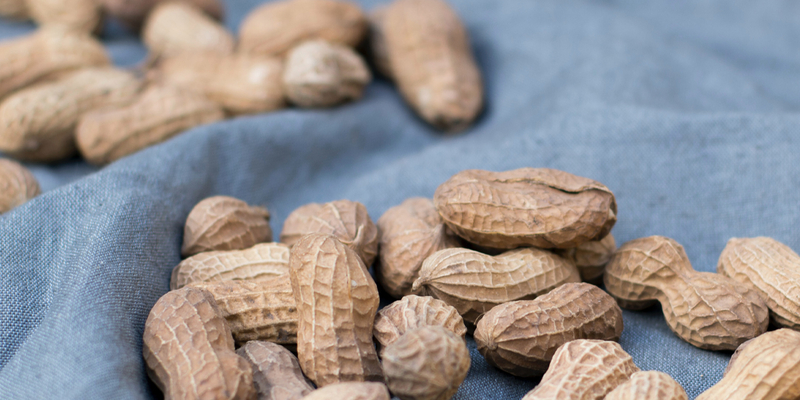
Selenium is found in foods such as nuts, seeds, fish, meat and grains. Brazil nuts naturally contain a lot of selenium. Because the selenium content can vary greatly from one nut to another, as few as 2 nuts a day may already be enough.
Foods rich in selenium:
- Brazil nuts (1917 micrograms per 100 grams)
- Tuna (57 micrograms per 100 grams)
- Chia seeds (55 micrograms per 100 grams)
- Sardines (49 micrograms per 100 grams)
- Sunflower seeds (49 micrograms per 100 grams)
What is selenium (seleen) good for?
Selenium acts as an antioxidant and plays a crucial role in various bodily functions:
- Hair: Selenium contributes to the maintenance of normal hair.
- Immune system: Selenium has a positive influence on the immune system.
- Nails: Selenium contributes to the maintenance of normal nails.
- Oxidative damage: Selenium contributes to the protection of cells against oxidative stress.
- Thyroid: Selenium contributes to normal thyroid function.
- Spermatogenesis: Selenium contributes to normal spermatogenesis.
Antioxidants are substances that protect healthy cells and tissues in the body against oxidative damage, for example from UV radiation, toxins and oxygen radicals.
What is the recommended daily amount of selenium?
If you eat a healthy, varied diet, you will generally get enough selenium. The recommended daily amount of selenium varies by age and group. See the table below:
| Group | Daily recommendation in micrograms |
| 7–11 months | 20 |
| 1–6 years | 20 |
| 7–10 years | 35 |
| 11–14 years | 50 |
| 15–17 years | 65 |
| 18 years and over | 70 |
| Pregnant women | 70 |
| Breastfeeding women | 85 |
Source: Voedingscentrum
The tolerable upper intake level for selenium is 255 micrograms per day for adults. Please note: long-term intake above this upper limit may pose health risks.
What are the symptoms of selenium deficiency?
In the Netherlands, selenium deficiency is rare.
What are the consequences of too much selenium?
It is difficult to get too much selenium from food alone. Only Brazil nuts contain a lot of selenium. A handful a day can already put you above the tolerable upper intake level. In addition, there is a risk of getting too much selenium if you take supplements. The tolerable upper intake level for selenium is 255 micrograms per day for adults.
New dietary guideline for selenium: what you need to know
The Health Council has recently adjusted the dietary reference value for selenium. Whereas selenium was previously considered ‘not relevant’ for dietary guidance, the advice has now been tightened: adequate intake is important for the general population. If you eat few animal products or mainly organic foods, your selenium intake may be lower than you think. In that case, a selenium supplement can help top up your daily intake.
Tolerable upper intake level for selenium
The European Food Safety Authority (EFSA) has established a tolerable upper intake level for selenium due to the potential negative health effects of a long-term excessive intake.
| Age | Tolerable upper intake level for selenium in micrograms per day |
| 1–3 years | 70 |
| 4–6 years | 95 |
| 7–10 years | 130 |
| 11–14 years | 180 |
| 15–17 years | 230 |
| 18 years and over | 255 |
Can I take selenium supplements during pregnancy?
During pregnancy, women generally do not have an increased need for selenium. The recommended daily amount for pregnant women is 70 micrograms, the same as for other adults. Always consult your treating doctor before taking supplements during pregnancy.
In conclusion
Selenium is a powerful ally for your health—from supporting your immune system and thyroid to protecting your cells against oxidative damage. It is important to get the right amounts through a varied, healthy diet.
Do you have questions or are you looking for personal advice? Contact our health coaches via the online chat or visit a store near you. Our experts are ready to help!
Sources
- Voedingscentrum
- Keuringsraad, KOAG/KAG
- European Food Safety Authority (EFSA)
- Natuur en gezondheidsProducten Nederland (NPN)