All about iron
Iron is an essential mineral that contributes to various functions in the body. Discover what iron is, why it’s so important, where you can find it in food, and how to make sure you get enough. Read on and learn everything about iron!
What is iron?
Iron is an essential mineral your body needs for a range of important functions — from supporting normal oxygen transport in the body to helping maintain your energy levels.
What are the different forms of iron?
There are two main forms of dietary iron: haem iron and non-haem iron. Haem iron is found only in animal products such as meat and fish and is absorbed more efficiently by the body. Non-haem iron is found not only in animal sources but also in plant-based sources such as vegetables and grains. Most of the iron we consume is non-haem iron — around 90%. About 10% is haem iron.
Did you know… Vitamin C increases the absorption of iron from food? That’s why it’s a good idea to include vegetables or fruit with every meal.
How is iron absorbed?
Haem iron is the most readily absorbed form of iron. Your body absorbs iron via the small intestine. Iron absorption is a complex process that can be influenced by various factors. For example, vitamin C improves the absorption of non-haem iron from plant foods, while calcium, coffee and tea can reduce the absorption of both forms. It’s therefore better not to drink these beverages during a meal.
What foods contain iron?
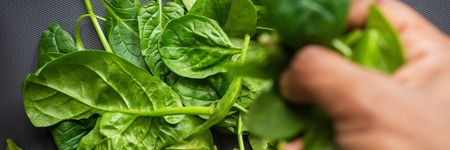
Iron-rich foods include red meat, poultry, fish and plant-based sources such as beans, grains and spinach. To reach the recommended daily amount of iron, for example, you could eat a combination of a piece of beef rib steak, a boiled egg and a portion of spinach.
Below is an overview of foods and the amount of iron in milligrams per portion:
| Iron per portion | Total iron | Non-haem iron | Haem iron |
| 1 piece of beef rib steak (cooked, 75 grams) | 2.7 mg | 1.0 mg | 1.7 mg |
| 1 slice of tofu (cooked, 75 grams) | 1.7 mg | 1.7 mg | - |
| 1 handful of unsalted cashew nuts (25 grams) | 1.7 mg | 1.7 mg | - |
| 1 large spoonful of cooked spinach (70 grams) | 1.7 mg | 1.7 mg | - |
| 1 large spoonful of red kidney beans (60 grams) | 1.4 mg | 1.4 mg | - |
| 1 boiled egg (50 grams) | 1.2 mg | 1.2 mg | - |
| 1 salted herring (75 grams) | 1.1 mg | 0.7 mg | 0.4 mg |
| 1 large spoonful of cooked kale (85 grams) | 0.9 mg | 0.9 mg | - |
| 1 large spoonful of cooked wholewheat pasta (45 grams) | 0.8 mg | 0.8 mg | - |
| 1 slice of wholemeal bread (35 grams) | 0.7 mg | 0.7 mg | - |
| 1 piece of chicken breast (cooked, 80 grams) | 0.6 mg | 0.4 mg | 0.2 mg |
What is iron good for?
Iron plays a role in various bodily functions:
- Blood: Iron contributes to the normal formation of red blood cells and haemoglobin.
- Cell division: Iron plays a role in the process of cell division.
- Cognitive function: Iron contributes to normal memory.
- Energy: Iron helps activate your body’s natural energy.
- Immune system: Iron has a positive influence on the immune system.
- Fatigue: Iron contributes to the reduction of tiredness and fatigue.
- Oxygen transport: Iron contributes to normal oxygen transport in the body.
What is the recommended daily amount of iron?
The recommended daily allowance (RDA) for iron varies by age and group. In the table below you’ll find an overview of the daily iron recommendations in milligrams per group:
| Group | RDA iron (milligrams) |
| 6–11 months | 8 |
| 1–5 years | 8 |
| 6–9 years | 9 |
| 9–13 years | 11 |
| Men aged 14 and over | 11 |
| Women aged 14–17 (menstruating) | 15* |
| Women aged 18–50 (menstruating, pre-menopause) | 16* |
| Women after the menopause | 11 |
| Pregnant women | 16* |
| Women who are breastfeeding | 15* |
*Groups more likely to be at risk of iron deficiency:
- Girls/women of childbearing age, because they lose blood during menstruation.
- Women who are pregnant or breastfeeding.
This is why the RDA for these groups is higher than for men and women after the menopause.
What are the consequences of too much iron?
Although iron is important, too much iron can be harmful and may lead to problems such as stomach upset, nausea and, in extreme cases, even organ damage. It is therefore crucial to stick to the recommended daily amounts.
Can I take iron supplements during pregnancy?
Pregnant women often need extra iron to support the baby’s growing needs. However, it’s important to discuss the correct dosage with your treating doctor, as too much iron can be harmful. The recommended daily amount of iron for pregnant women is 16 milligrams.
Find out here which supplements are important before, during and after pregnancy.
Finally
Iron is an essential mineral that contributes to various functions in the body. It’s important to be mindful of your iron intake and to make sure you get enough through a varied diet — especially if you belong to one of the groups with increased needs.
Do you have questions or are you looking for personal advice? Then get in touch with our health coaches via the online chat or visit a shop near you. Our experts are ready to help!
Sources
- Voedingscentrum
- Keuringsraad, KOAG/KAG
- European Food Safety Authority (EFSA)
- Natuur en gezondheidsProducten Nederland (NPN)
- Informatiecentrum voedingssupplementen & gezondheid (IVG)