All about silicon

Silicon is becoming increasingly popular, but what exactly is it? This mineral naturally occurs in food and our bodies, and can now also be found in various supplements. In this blog, you will learn all about the function of silicon, the different forms of silicon, and the benefits of silicon.
What is silicon?
Silicon is an essential trace element that naturally occurs in the earth's crust and in our cartilage, bones, connective tissue, skin, hair, and nails. Although silicon is less well-known than minerals such as calcium and magnesium, it has certainly gained popularity in recent years.
Where is silicon found?
Silicon is not only found in our earth's crust and bodies, but also in foods such as:
- Whole grains, such as oats and brown rice
- Vegetables such as spinach, beans, and cucumber
- Potatoes
- Bananas
- Herbs such as nettle and horsetail
- Bamboo extract, which contains a high concentration of silicon
- Drinking water, depending on the soil from which it is sourced
By eating a varied diet – with plenty of vegetables and whole grains, you get a basic level of silicon intake.
What types of silicon are there?
Silicon comes in various forms, both in food and in supplements. But did you know that not all forms of silicon are equally well absorbed by your body? Here we list them, sorted by bioavailability – in other words, how well your body can absorb them:
- Orthosilicic acid (H4SiO4 - Orthosilicic acid) – This is the most bioavailable form of silicon. Choline-stabilised orthosilicic acid (Ch-OSA) is often used in supplements, as choline aids in stabilisation and absorption.
- Monosilicic acid (H2SiO3) – A hydrated form of orthosilicic acid that sometimes occurs in water. It can be converted into orthosilicic acid in the body but is less stable and slightly less absorbable.
- Organic silicon – This type of silicon must still be converted in the body to release bioavailable silicon.
- Hydrolysed silicon – This is formed when silicon dioxide (SiO₂) is dissolved in water, leading to the formation of silicon nanoparticles. It is less absorbable than orthosilicic acid, and you often need a higher dose for the same effect.
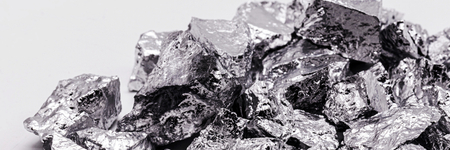
- Elemental silicon – This is a solid, natural form of silicon and is commonly found in the earth's crust. Although it is prevalent in food, it is hardly absorbed by the body.
Looking for the best form of silicon? Opt for orthosilicic acid or Ch-OSA, as these have the best bioavailability.
How do you use silicon?
You can obtain silicon through your diet, but if you take a supplement, it is useful to consider the form and dosage. Liquid silicon supplements are often better absorbed than tablets or powders. Preferably take it on an empty stomach for optimal absorption.
How much silicon per day?
There is no official recommended daily allowance (RDA) for silicon.
Sources
- Voedingscentrum. (n.d.). Silicon in food. Retrieved on 24 February 2025, from https://www.voedingscentrum.nl
- Healthline. (n.d.). The benefits of silicon for health. Retrieved on 24 February 2025, from https://www.healthline.com
- Orthokennis. (n.d.). Silicon and health. Retrieved on 24 February 2025, from https://www.orthokennis.nl
- SOHF. (n.d.). The role of silicon in the body. Retrieved on 24 February 2025, from https://www.sohf.nl
- LiquidSilicium.com. (n.d.). Which different silicon formulas are the best? Retrieved on 24 February 2025, from https://liquidsilicium.com